 I
II
Residential Value-Add
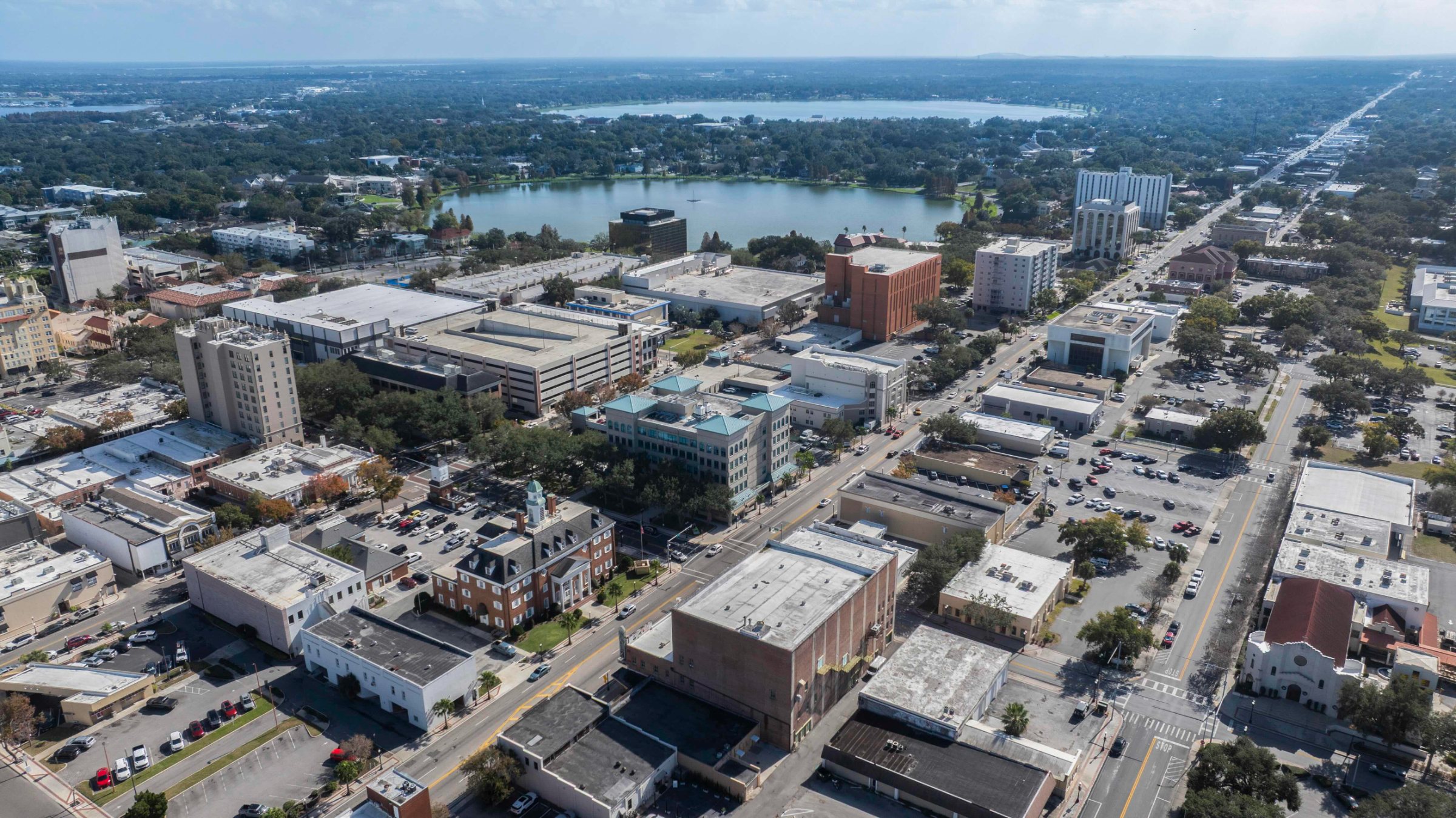
Single-family and small multifamily value-add acquisition and repositioning across our primary markets. The firm targets residential assets that are structurally sound but operationally or aesthetically distressed, priced at a basis that reflects their current condition rather than their potential, and where a disciplined improvement plan executed with our own construction team produces a return the market will validate at exit.
Residential value-add in the markets we operate is consistently productive because the gap between distressed acquisition pricing and stabilized market value is persistent and measurable. The operators who capture it consistently are the ones who can move quickly on off-market acquisitions, underwrite accurately to a specific exit and execute the improvement plan without cost overruns or timeline drift. That is what Casterly & Co.'s integrated platform is built to do.
 II
IIII
Commercial Repositioning and Re-Tenanting
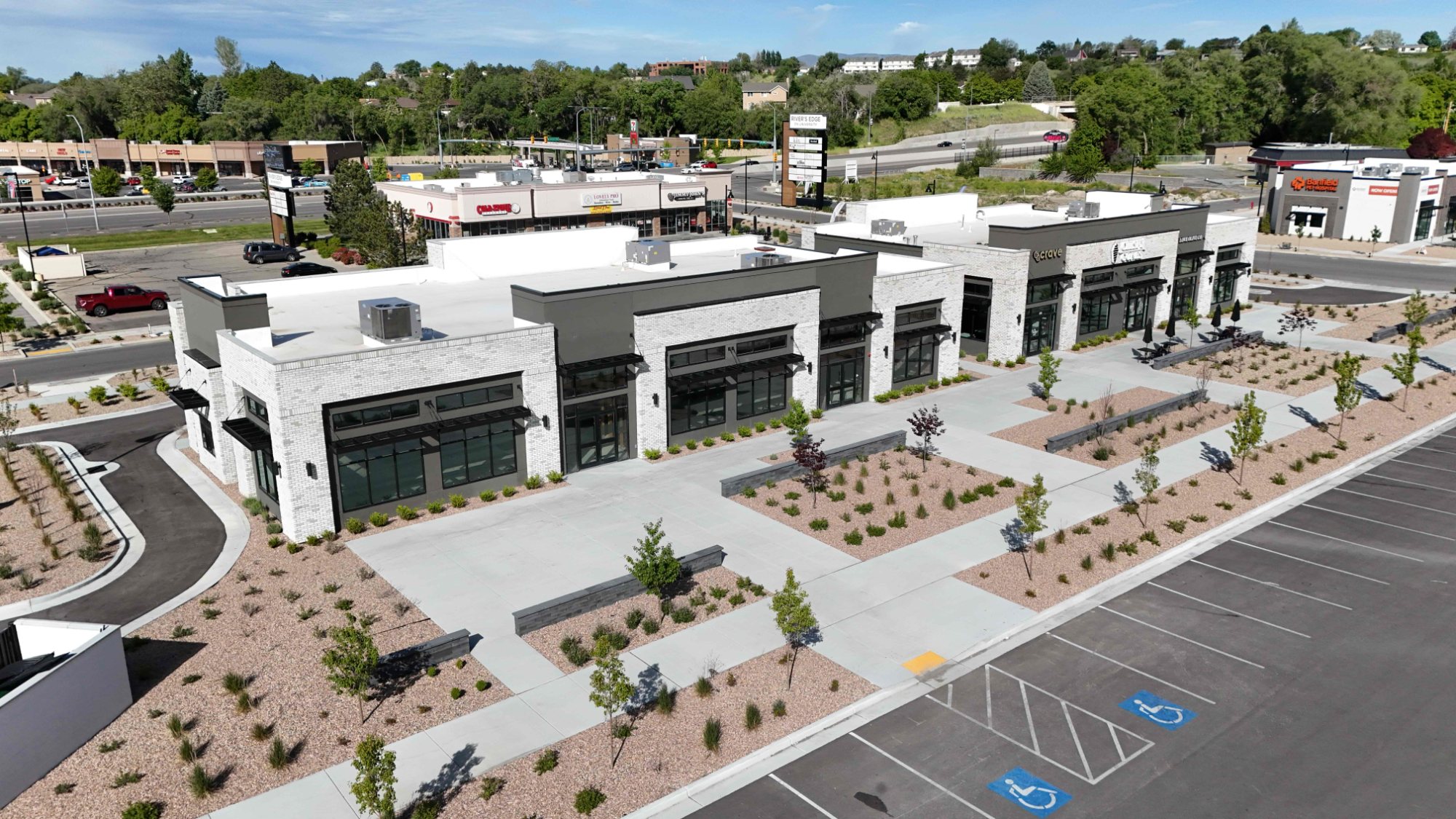
Retail strip centers, neighborhood commercial, small-bay commercial and mixed-use assets that have been neglected, under-leased or mismanaged relative to their location potential. The firm acquires these assets off market, at a basis that reflects current occupancy and condition, and repositions them through targeted capital improvement, active lease-up and tenant mix optimization.
Our underwriting on commercial repositioning is built around the tenancy the asset can support at stabilization, not the tenancy it currently has. That distinction is where the return is made. We identify the gap between current performance and stabilized potential, underwrite the cost and timeline to close it, acquire at a basis that preserves the margin and execute the repositioning with our own team. The result is a stabilized commercial asset whose value at exit reflects what we underwrote at acquisition.
 III
IIIIII
Adaptive Reuse and Conversion
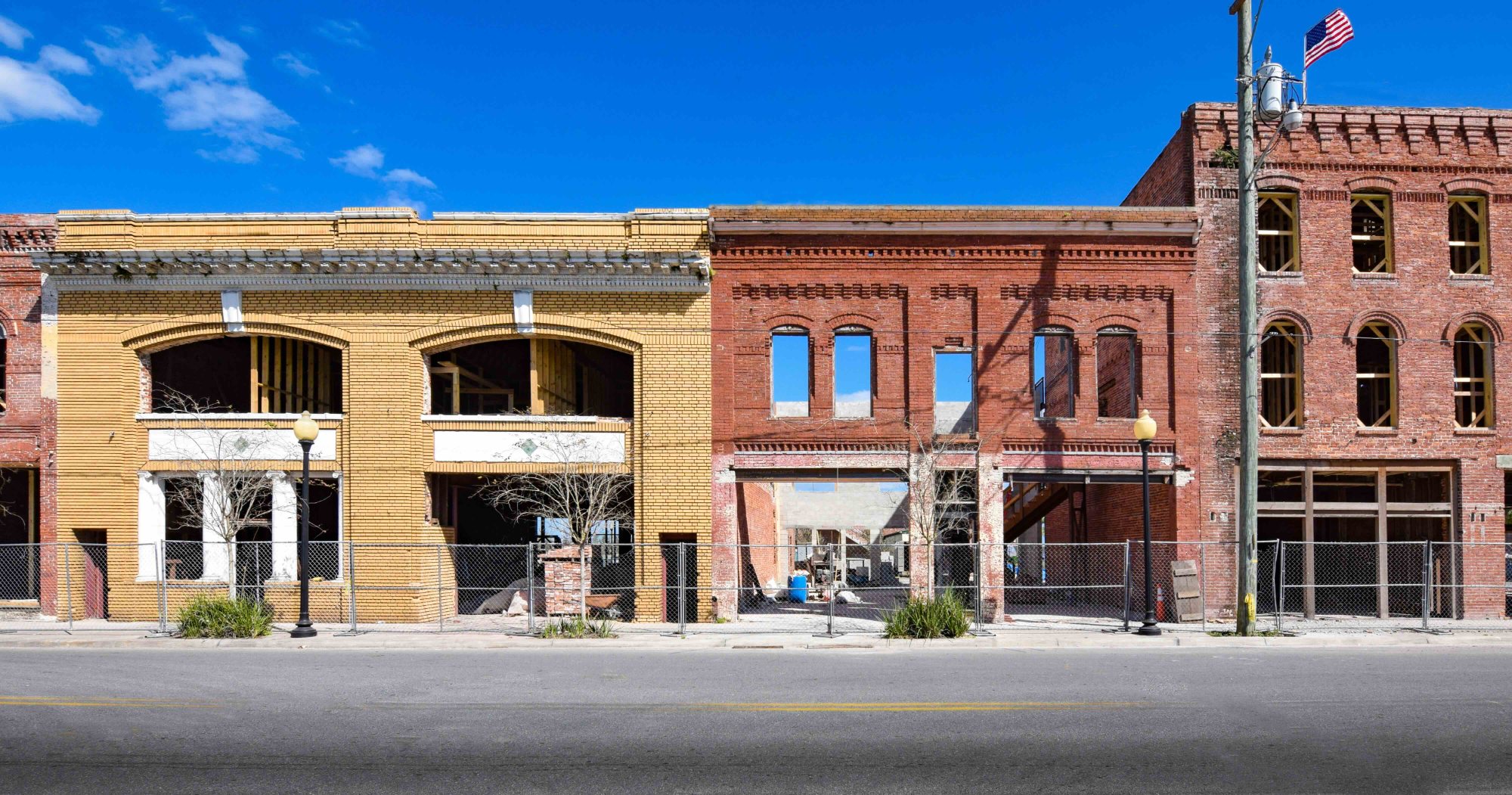
Underutilized or obsolete buildings whose highest and best use is no longer what they were built for. Office-to-residential conversion, retail-to-mixed-use repositioning, industrial-to-creative or flex conversion, and other adaptive reuse strategies where the as-is market value of the asset is materially below the value of its best alternative use.
Adaptive reuse requires a specific combination of capabilities: the ability to identify assets whose current use has been structurally undermined by market forces, the underwriting depth to accurately price the conversion cost and the execution infrastructure to manage a complex construction process from the inside. The firm has all three, which allows us to pursue conversions that most operators cannot evaluate accurately and that institutional capital is too slow to execute efficiently.
 IV
IVIV
Distressed Acquisition and Special Situations
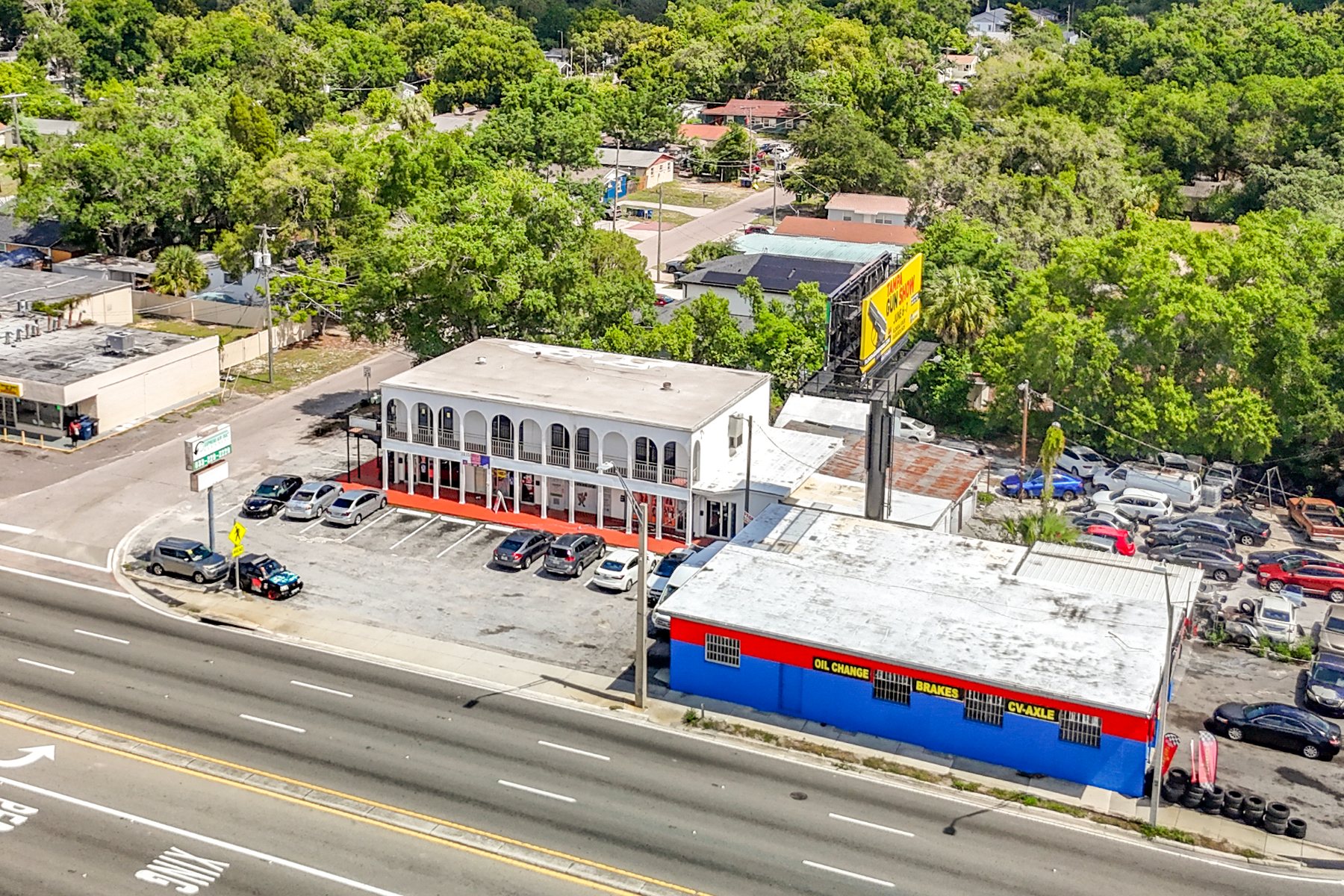
Foreclosure, estate, lender-directed and other distressed acquisitions where structural complexity, legal condition or motivated seller dynamics have created a pricing discount that a disciplined buyer can capture. The firm has invested in distressed situations across multiple market cycles and has the underwriting depth to accurately price complexity that deters less experienced operators.
Distressed acquisitions are among the most repeatable sources of below-market basis in the asset classes we pursue. The discount is not a function of asset quality. It is a function of seller circumstances and the buyer's ability to move with certainty and close without conditions. We have built a reputation among sellers, lenders and estate fiduciaries in our primary markets as a buyer who performs, which produces a recurring pipeline of opportunities that are never broadly marketed.
 V
VV
Land and Development
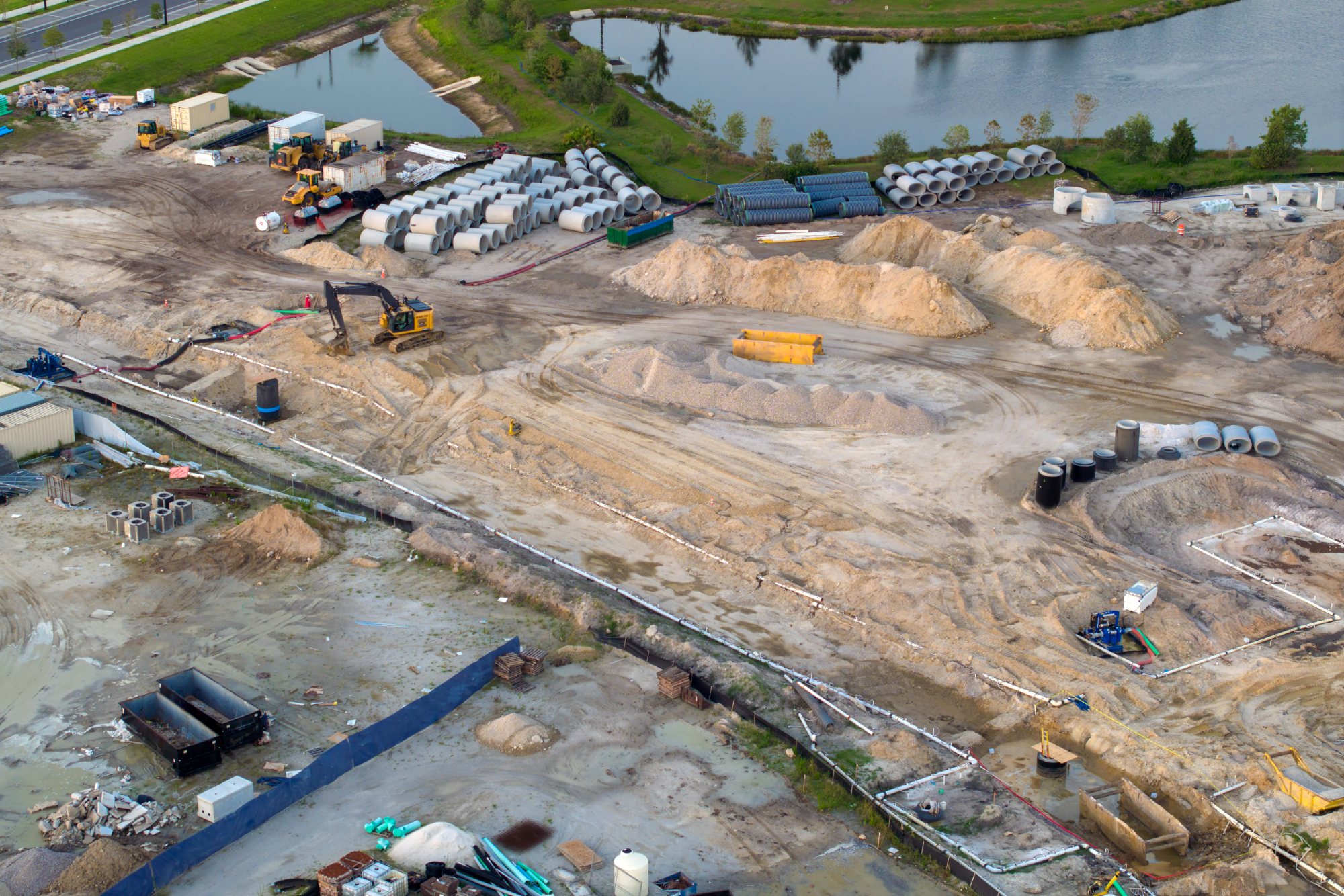
Pre-entitlement and entitled land, infill development, ground-up residential and commercial construction and build-to-suit development. The firm pursues these opportunities with the same underwriting discipline and basis-first thinking that governs every other category of investment, applied to a longer and more complex timeline.
Land and development transactions require a level of forward conviction that most operators either do not have or cannot sustain. You must know what the market will support at delivery, not what it supports today, and you must have the integrated capability to move from raw land through entitlement, design, construction and disposition without losing control of the timeline or the cost at any stage. That is precisely what the firm's vertically integrated platform was built to do.
We typically contract pre-entitlement, with staged exit plans structured before closing and the capital stack identified before it is needed. Every position in this category enters with a specific exit path already underwritten and a clear picture of the return before a dollar of development capital is committed.
The firm also pursues build-to-suit development, constructing purpose-built product for a specific tenant or end user and structuring the outcome as either a long-term hold, a ground lease or a disposition at stabilization. Build-to-suit transactions eliminate lease-up risk entirely, produce a fully stabilized asset at delivery and allow the firm to structure the exit around the tenant relationship rather than around market conditions at the time of completion. This is a category where the firm's construction capability, market relationships and speed of execution produce outcomes that speculative developers cannot match. Outparcels within larger land positions are identified and structured for build-to-suit or ground lease execution as part of the overall land strategy, allowing the firm to monetize high-visibility commercial frontage independently from the primary development behind it.
 VI
VIVI
Light Industrial and Flex
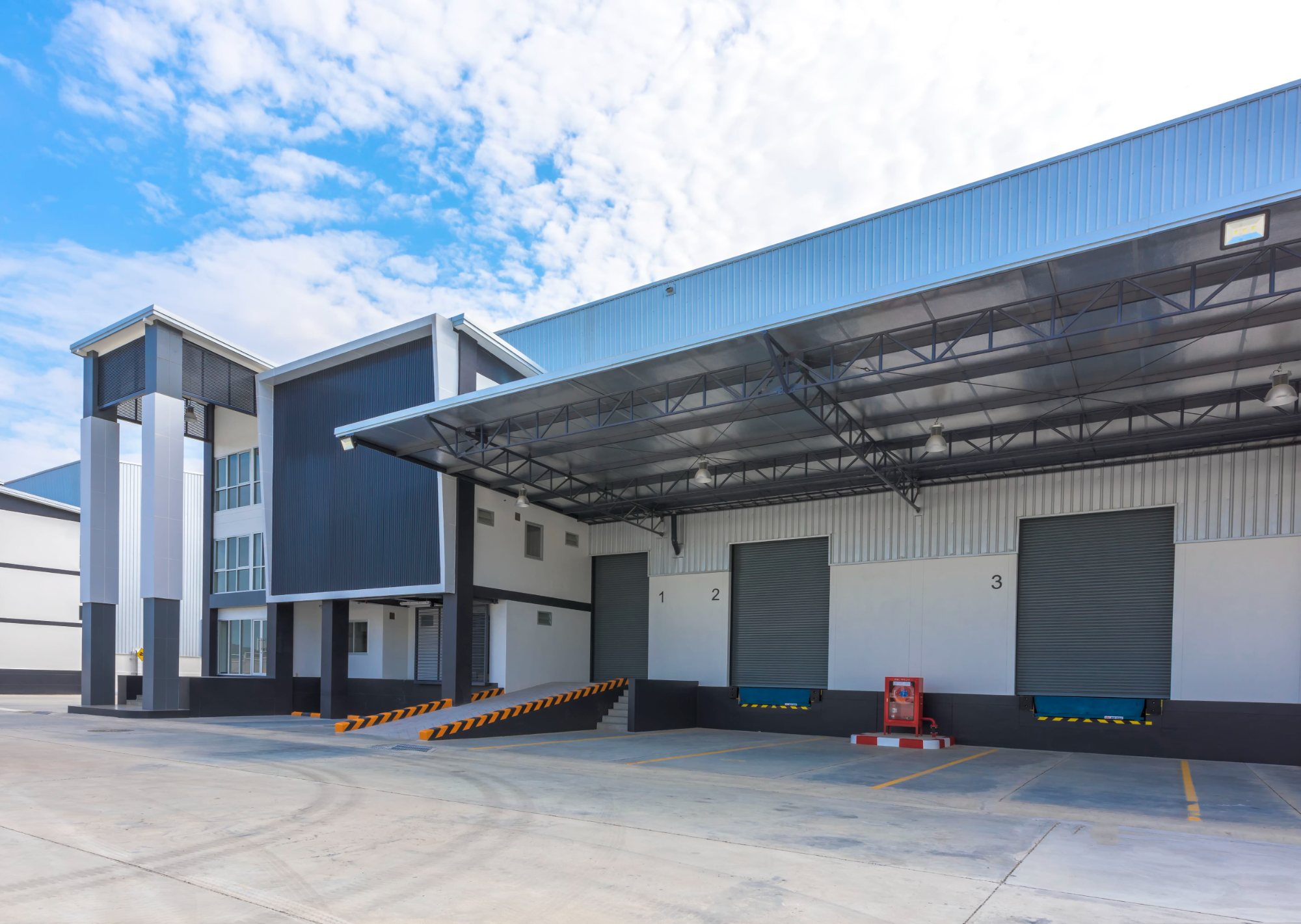
Self-storage, covered recreational storage, light industrial, flex space and specialty commercial product in supply-constrained markets with strong population and demographic fundamentals. This category of asset is chronically fragmented, frequently mismanaged and consistently overlooked by operators who lack the local market knowledge or the in-house execution capability to reposition it effectively.
Self-storage and covered recreational storage in particular are among the most demand-inelastic asset classes available to a private investor. Occupancy is driven by life events, household transitions, business activity and the density of recreational vehicle and watercraft ownership in markets like ours, persisting across economic cycles regardless of broader market conditions. The sector remains highly fragmented, with a significant share of inventory still owned by individual and family operators who have not institutionalized their management, creating a recurring supply of value-add acquisition opportunities for buyers who know where to look and how to move quickly.
A distinct advantage the firm brings to industrial and storage acquisitions is the ability to identify and reserve outparcels within a larger position for higher and better use. When we acquire a site with commercial frontage adjacent to or in front of industrial or storage product, we structure the transaction to retain the outparcel for a build-to-suit or ground lease strategy, monetizing the front commercial exposure independently from the industrial product behind it. This approach elevates the overall return profile of the transaction, mitigates basis risk through the outparcel monetization and maximizes the capital efficiency of the entire position in a way that single-strategy operators cannot replicate.
Our knowledge of the acquisition, entitlement and construction process across multiple asset types allows us to pursue light industrial and flex opportunities on economics that intermediary-dependent operators cannot match. We move quickly, close with certainty and execute without outside parties at any stage.
 VII
VIIVII
Qualified Opportunity Zone Investments
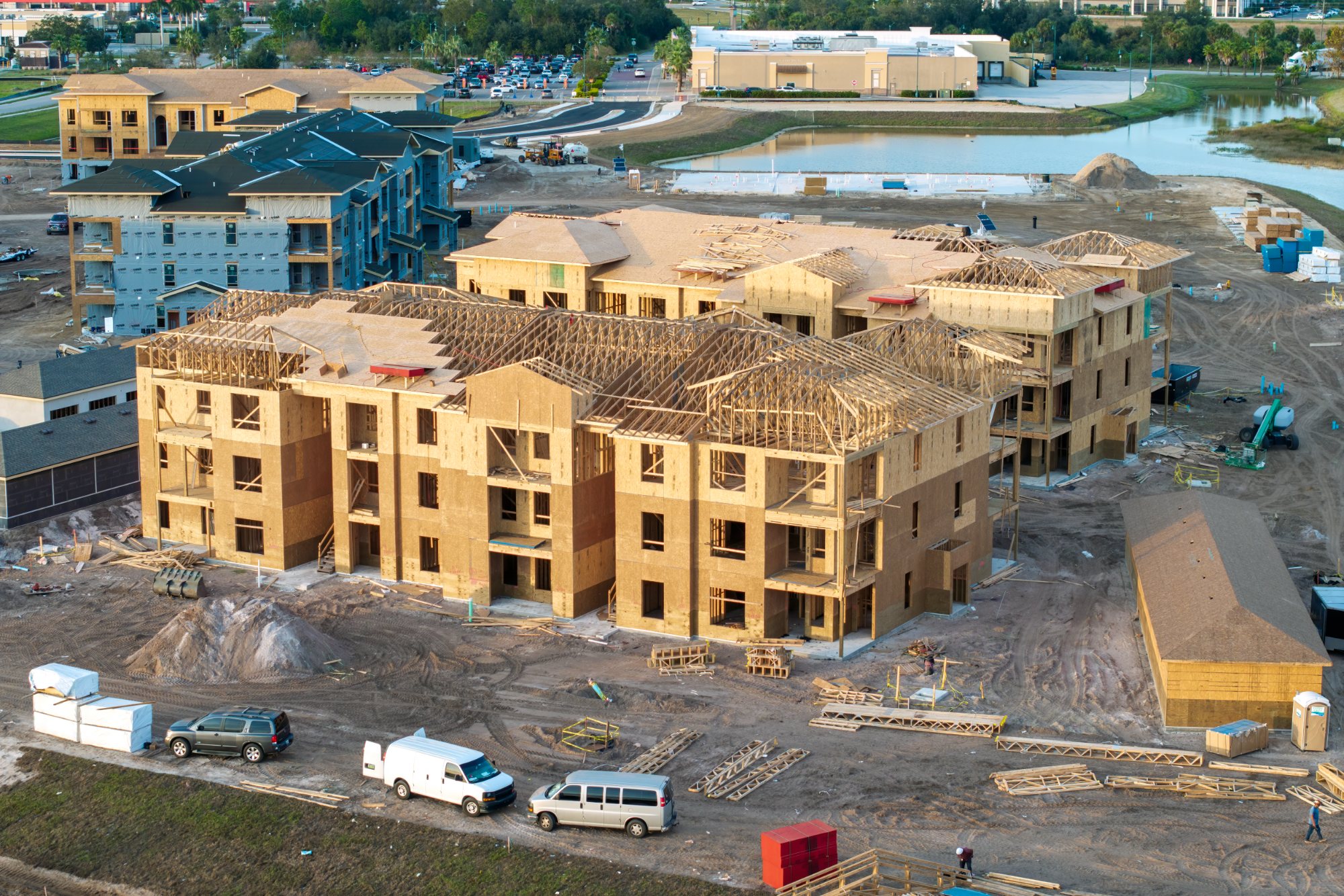
The firm brings extensive experience operating within federally designated Opportunity Zone corridors across our primary markets, with a track record that includes both existing building repositioning and ground-up development projects. OZ-eligible opportunities surface as a natural part of the firm's existing acquisition process and are structured to provide investors with significant capital gains tax deferral, reduction and potential elimination benefits alongside the firm's standard preferred-return structure.
The structure, availability and terms of specific Opportunity Zone transactions are reserved for a direct conversation with qualified investors.